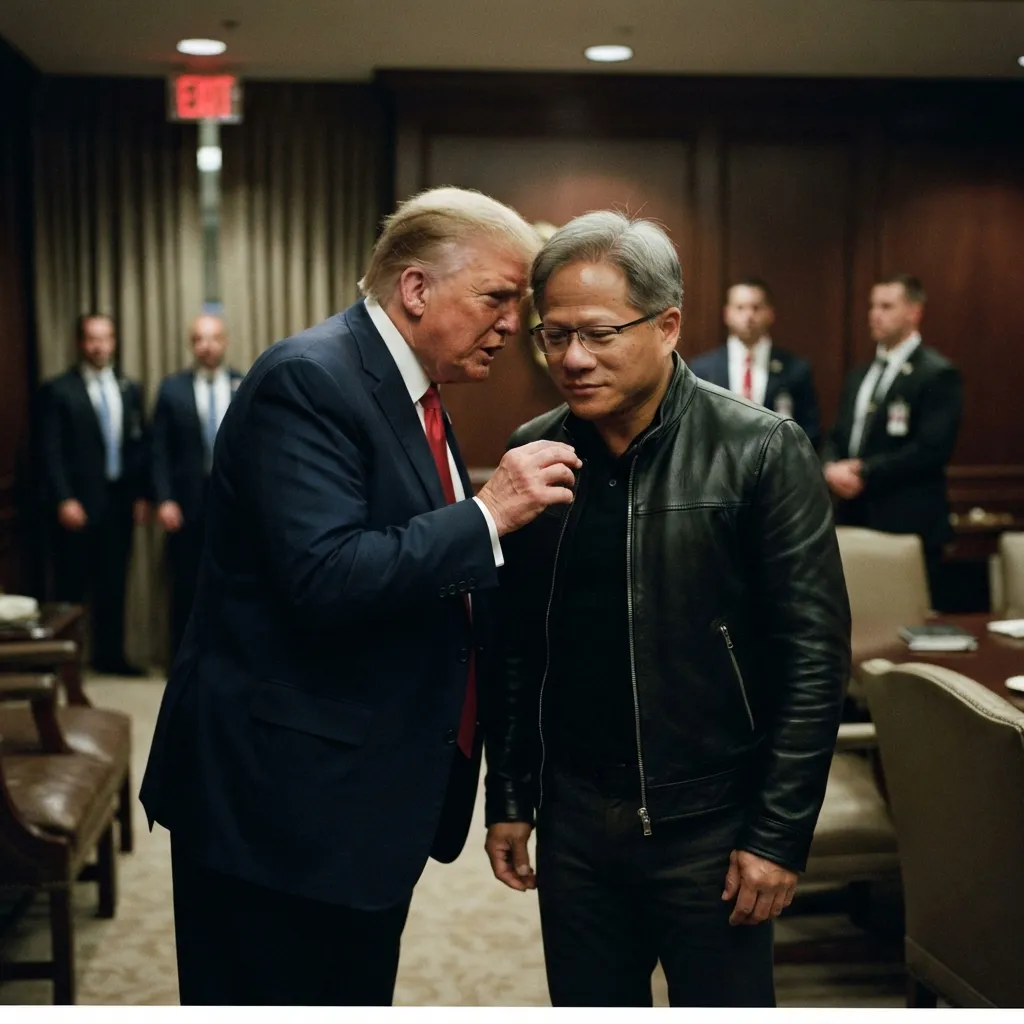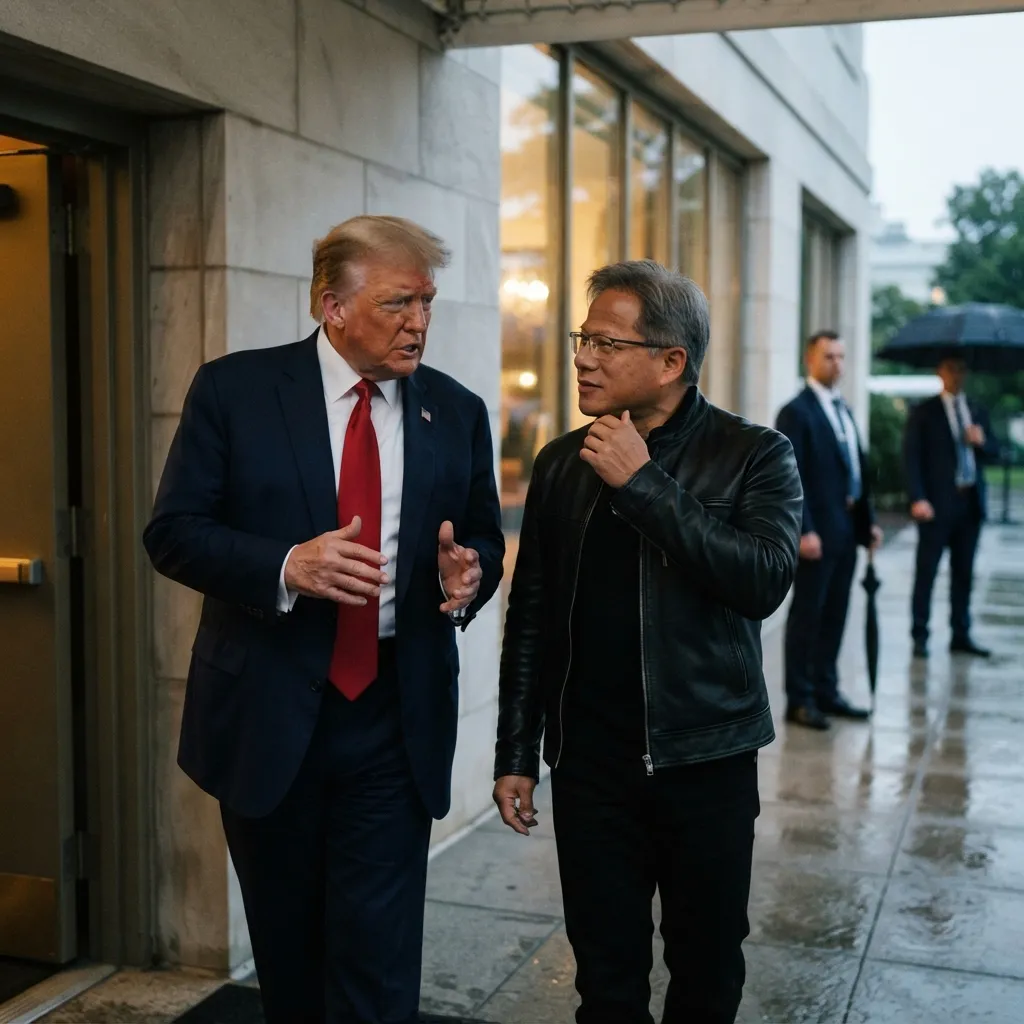
President Donald Trump is launching a preemptive strike against the incoming Democratic majority in Congress, attempting to shield his administration from investigations into alleged corruption through a sweeping new executive order. The directive warns federal contractors and businesses that they must coordinate all communications with the White House and adhere to executive privilege when dealing with congressional inquiries. Those who refuse to comply face severe consequences, including the potential cancellation of government contracts or total suspension from doing business with the state.
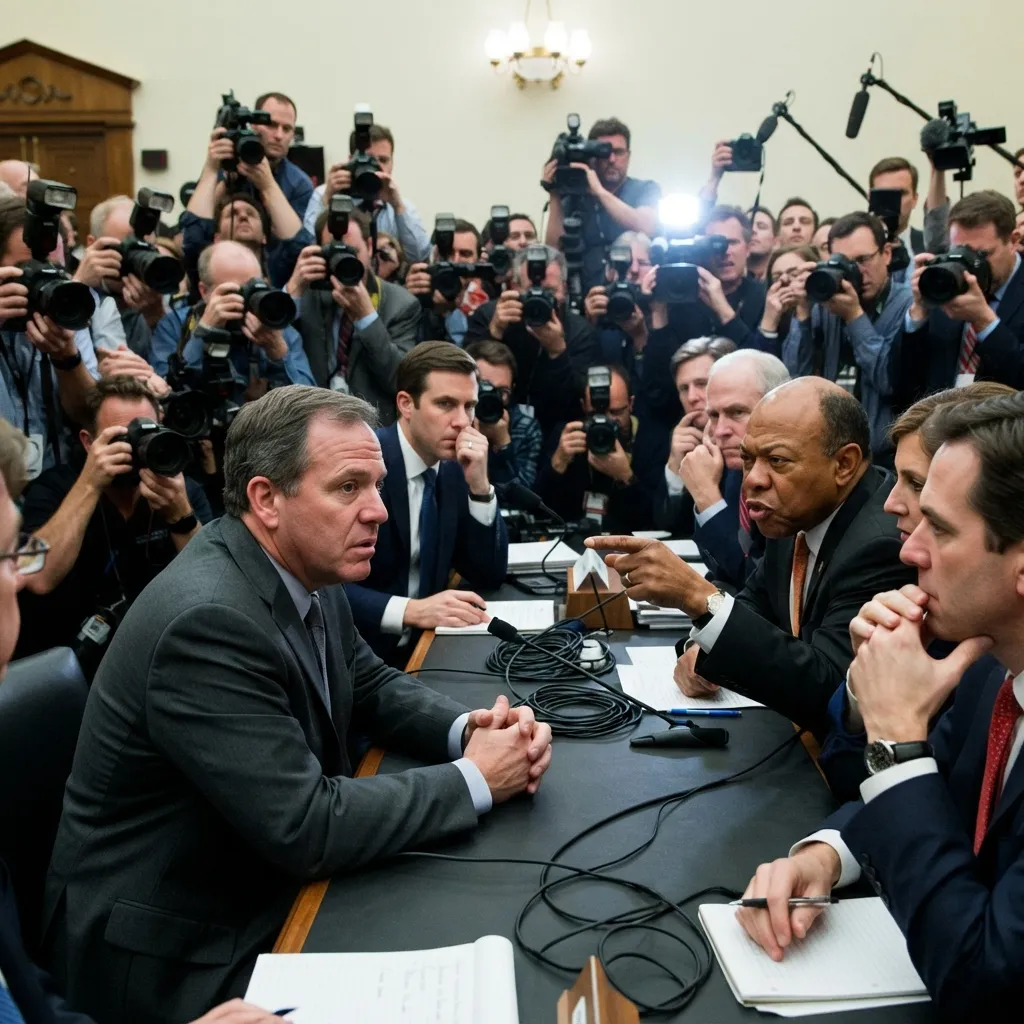
Incoming House Judiciary Committee head Jamie Raskin has dismissed the move as legally toothless, comparing the order to an internal office memo rather than a binding piece of federal law. Speaking on CNN, Raskin argued that the Constitution remains on the side of congressional oversight and accused the president of issuing a lawless royal edict intended to cover up bribes and insider influence. This clash signals a volatile start to the new legislative session, as Democrats prepare wide ranging probes into everything from White House construction projects to the origins of conflicts abroad.
The administration is doubling down on its defensive posture with strategic appointments designed for combat, placing figures like Stephen Miller in key roles to push back against Democratic efforts. By expanding his claim of executive privilege, Trump is utilizing a familiar playbook of leveraging legal complexities to delay accountability. However, this puts private corporations in an impossible position, forcing them to choose between risking current revenue streams by defying the White House or alienating future lawmakers who may hold power once Trump leaves office.
While Trump has occasionally hinted at potential cooperation with Democratic leaders on issues like healthcare and immigration, those olive branches appear fragile given his continued verbal attacks on party leadership via social media. For Democrats, the struggle is twofold: they must address urgent voter concerns regarding inflation while simultaneously fulfilling a perceived mandate to rein in presidential power. As both sides dig in, the resulting legal battles will likely test whether the courts still serve as the final arbiter of where presidential secrecy ends and public transparency begins.