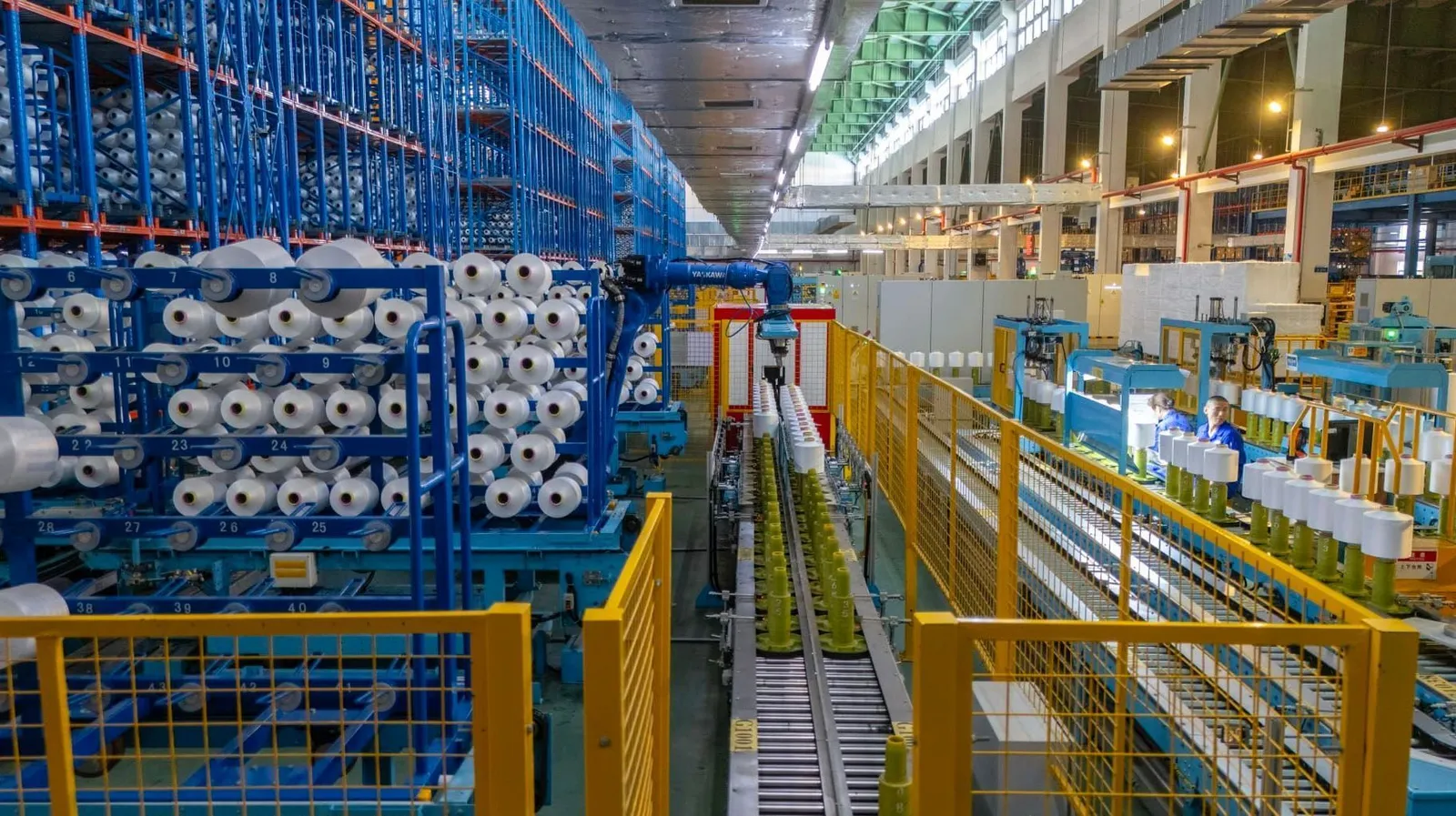
For years, the fashion world operated on a cycle of speed and affordability, driven by the rise of fast fashion giants and later ultra-fast retailers. This era saw a dramatic shift in how our clothes are made, with natural cotton being steadily replaced by synthetic blends like polyester and nylon. While these plastics kept prices low and styles rotating weekly, a tipping point has arrived. Shoppers are no longer willing to accept flimsy fabrics, especially as the cost of living climbs and clothing prices hit record highs following the pandemic.
Recent data reveals a growing frustration among consumers who feel they are paying premium prices for subpar materials. A survey by consulting firm AlixPartners suggests that people are scrutinizing garment labels more than ever, viewing synthetic fabrics as a sign of poor quality rather than convenience. For younger generations like Gen Z, mentioning polyester has almost become an insult, synonymous with something fake or disposable. Beyond the tactile experience, there is a rising tide of concern regarding environmental impact and the leaching of microplastics into the water supply every time a synthetic shirt enters the wash.
This push for quality comes at a complicated time for manufacturers. Global instability, including tariffs and conflicts affecting oil prices—the base ingredient for synthetics—has squeezed profit margins. Many brands attempted to offset these costs by shifting production from high-skill hubs in China to lower-cost regions like Bangladesh and Cambodia. However, this transition often resulted in a noticeable dip in craftsmanship. Experts suggest that brands may now find themselves in a precarious position where cutting corners on fabric leads to unsold inventory and heavy discounts.
Ultimately, the pendulum is swinging back toward value defined by longevity rather than quantity. While athletic wear continues to rely on performance synthetics for moisture-wicking properties, everyday apparel is seeing a resurgence of interest in natural fibers. As buyers tighten their budgets across food and housing, they are choosing to invest in fewer pieces that actually last. Retailers are discovering that investing in genuine quality might be the only way to maintain loyalty from a consumer base that is tired of spending more for less.